PixBlocks Programming Education App | Case Study E1S

Development of the PixBlocks Educational App for Learning Programming
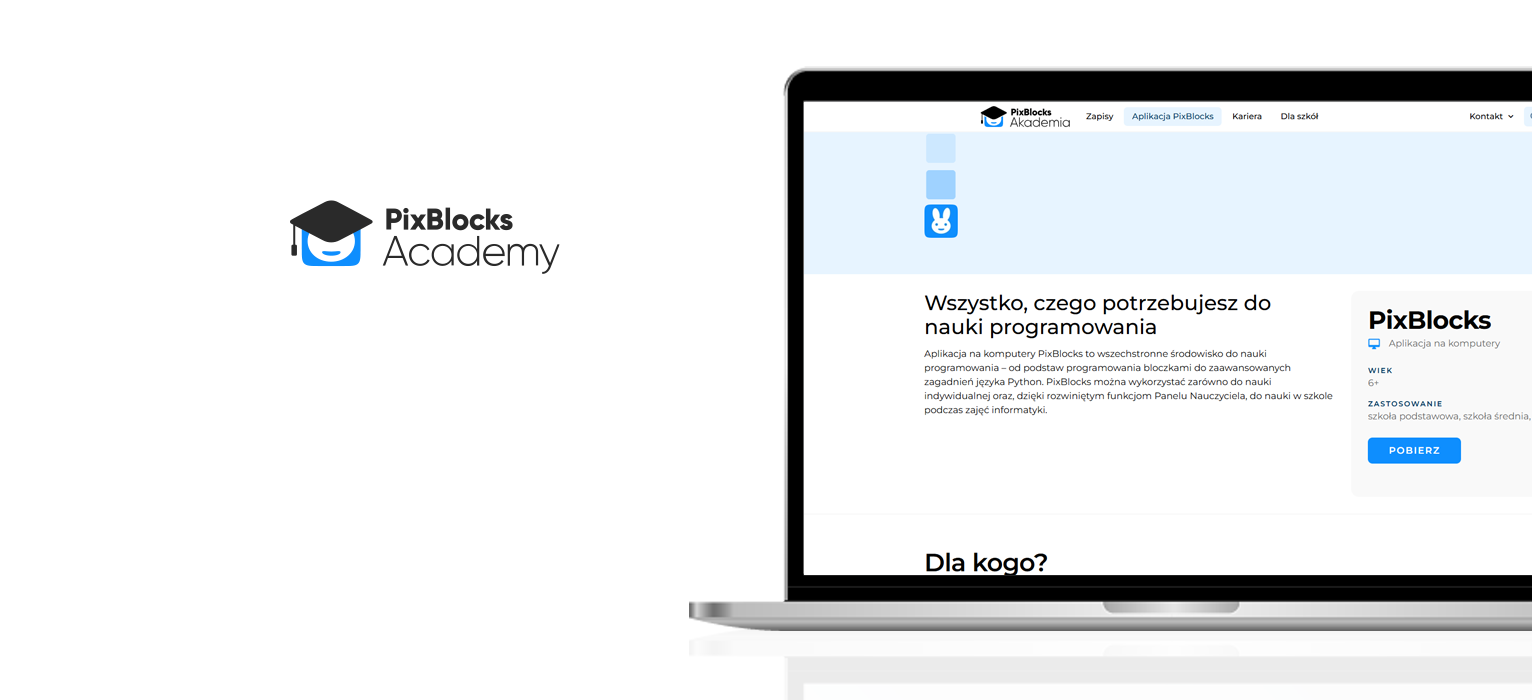
Platforma edukacyjna PixBlocks prezentowana na ekranie laptopa.

Project overview

Client: PixBlocksSector: education / e-learningModel:Dedicated TeamArea: educational app / Unity / offline

Edge One Solutions supported PixBlocks by providing IT specialists responsible for developing an educational application for learning programming.

The project included developing web and mobile versions based on Unity, supporting touchscreens and interactive whiteboards, and enabling offline use of the application.
Tools and technologies used

  • Challenge

    The goal of the project was to create an application for learning programming that would be efficient, intuitive, and available to users working on different devices.

    The key challenge was to provide full support for touchscreens and interactive whiteboards, which was especially important in the context of teachers and students working in a school environment.

    The solution also had to work offline and support the development of web and mobile versions based on Unity, while maintaining low hardware requirements.

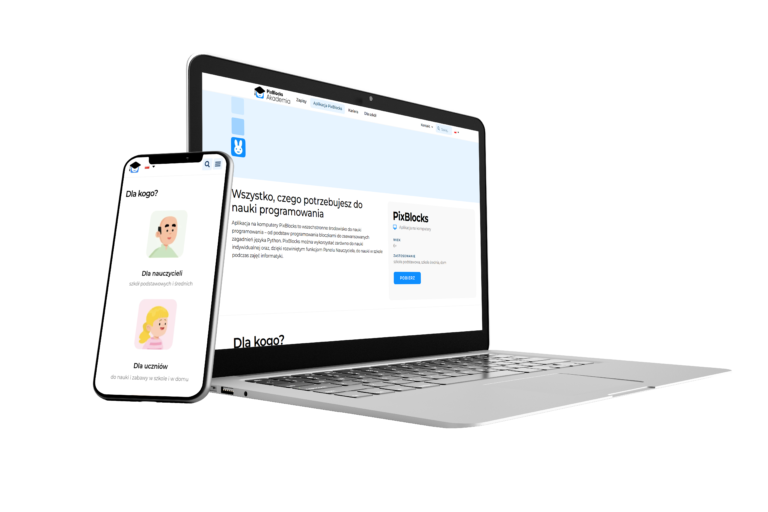
    PixBlocks educational platform displayed on a laptop and smartphone.
  • Scope of work by Edge One Solutions

    Edge One Solutions supported PixBlocks by providing IT specialists responsible for developing an educational application for learning programming.

    The scope of support included developing a Unity-based application, preparing web and mobile versions, and adapting the solution to work with touchscreens and interactive whiteboards.

    The team also supported the development of offline functionality and application optimization for performance and low hardware requirements.

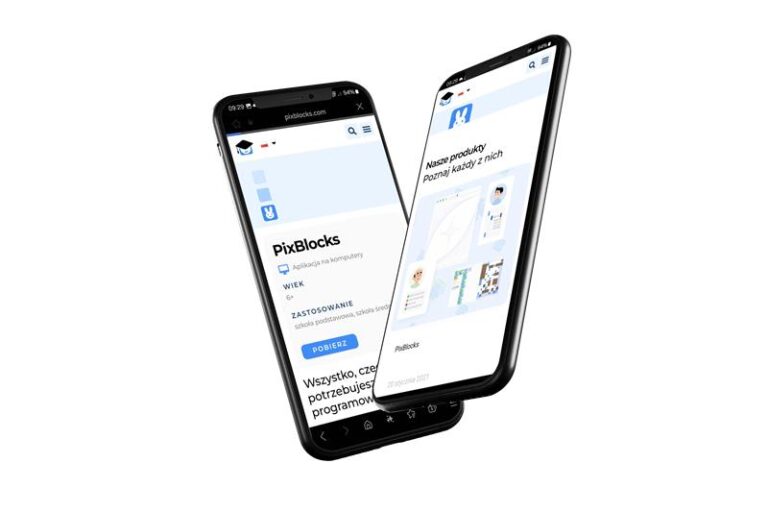
    PixBlocks educational platform displayed on two smartphones.
  • Solution

    As part of the project, an educational application for learning programming was developed to support students and teachers in different learning environments.

    The web and mobile versions of the application were based on Unity, enabling a consistent user experience across different devices.

    The solution supports touchscreens and interactive whiteboards, as well as offline work, allowing it to be used both in the classroom and without constant internet access.

    Scrum and iterative software delivery process illustrated on a laptop.
  • Project significance for digital education

    Programming education in schools requires tools that are easy to use, available across different devices, and adapted to the real working conditions of teachers and students.

    The PixBlocks project shows how an educational application can combine coding education, interactive whiteboard support, offline work, and web and mobile versions in one consistent environment.

    For EdTech organizations, similar solutions can support digital education, increase access to programming learning, and make it easier to conduct classes in varied technical conditions.

    Digital learning illustration with educational content and video resources on a mobile device.

Entrust your project to our experts!

Fill out the form
AI System Testing: How to Test LLMs, RAG and AI Agents Before Production

How do you test AI systems before production? Explore QA for LLMs, RAG and AI agents: retrieval, output quality, security, regression and monitoring....  read more

Data Readiness for AI: 12 Questions to Ask Before Choosing a Model

Is your data ready for AI? Explore 12 questions on quality, ownership, lineage, integrations, freshness, pipelines, access control and maintenance costs....  read more

EU AI Act from 2 August 2026: What Changes for Businesses and How to Prepare AI Systems?

What does the EU AI Act change in practice for businesses using AI? We look at how the new requirements may affect applications, architecture, data, UX, QA and monitoring, and where to start a technical review of your AI system....  read more