E-commerce and Omnichannel Platform for Empik | Case Study

E-commerce and Omnichannel Platform Development for Empik
empik

Project overview

Client: EmpikSector: retail / e-commerce / omnichannelModel:IT outsourcingArea: e-commerce / integrations / QA / React

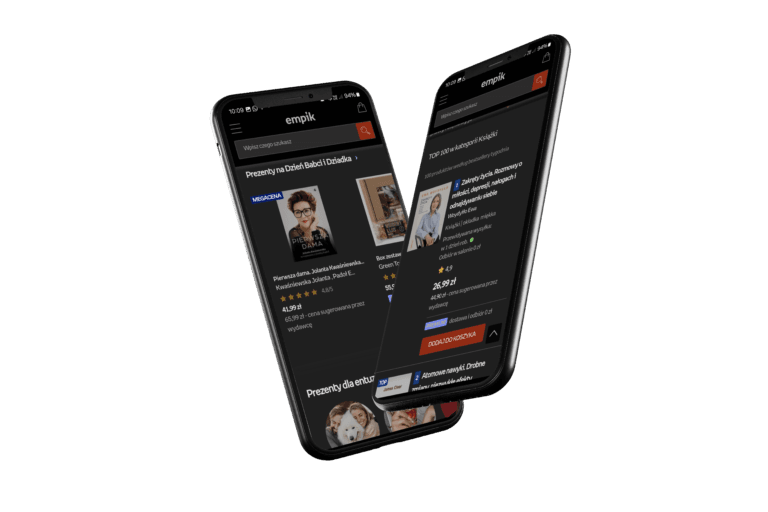
Edge One Solutions supported Empik by providing IT specialists responsible for developing and maintaining key components of the e-commerce platform.

The project included online and offline channel integration, sales, payment, and logistics systems, as well as optimization and QA activities supporting platform stability under high traffic.
Tools and technologies used

  • Challenges

    Empik needed a scalable sales platform capable of handling growing online traffic, especially during campaigns and seasonal peaks.

    The key challenge was to connect online and offline sales into a consistent omnichannel experience so that customers could move smoothly between purchasing channels.

    At the same time, the platform had to enable rapid deployment of new features without risking system stability or user experience quality.

  • Scope of work by Edge One Solutions

    Edge One Solutions supported Empik by providing IT specialists responsible for developing and maintaining key modules of the e-commerce platform.

    The scope of support included integration of sales, payment, and order logistics systems, which were important for efficient purchasing process handling.

    The team also supported process optimization and quality assurance activities aimed at ensuring platform stability, high UX quality, and safe delivery of subsequent features.

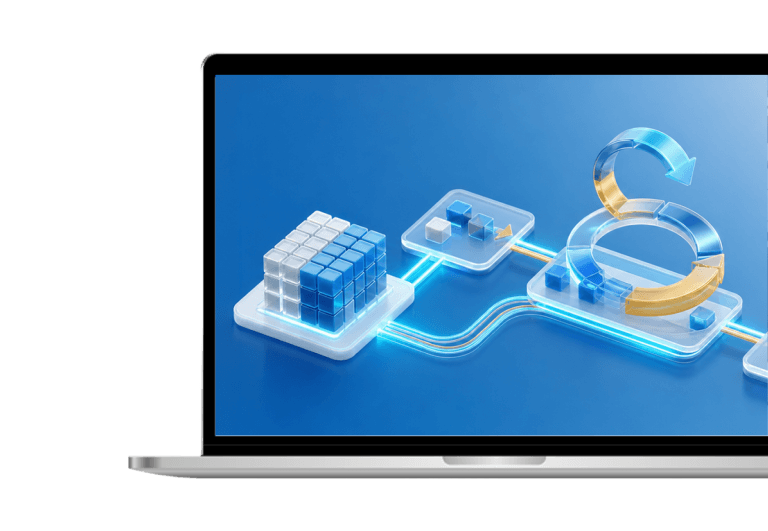
    Scrum and iterative software delivery process illustrated on a laptop.
  • Solution

    As part of the project, Edge One Solutions specialists supported the development and maintenance of key components of Empik’s e-commerce platform.

    The work included integration of online and offline channels as well as systems responsible for sales, payments, and order logistics.

    Thanks to process optimization and QA support, the platform could handle high loads more reliably, improve the customer purchasing journey, and shorten the time needed to deliver new features.

  • Project significance for retail, e-commerce, and omnichannel

    In omnichannel retail, an e-commerce platform does not operate in isolation — it must connect online sales, physical stores, payments, logistics, and customer service.

    The Empik project shows how e-commerce module development, system integration, and QA activities can support platform stability during high traffic and improve the customer purchasing experience.

    For retail companies, a similar approach can increase platform resilience during seasonal peaks, improve the purchasing journey, and shorten the time needed to deliver new business features.

    Digital retail and e-commerce technology illustration representing connected commerce and logistics.

Entrust your projectto our experts!

Fill out the form
AI System Testing: How to Test LLMs, RAG and AI Agents Before Production

How do you test AI systems before production? Explore QA for LLMs, RAG and AI agents: retrieval, output quality, security, regression and monitoring....  read more

Data Readiness for AI: 12 Questions to Ask Before Choosing a Model

Is your data ready for AI? Explore 12 questions on quality, ownership, lineage, integrations, freshness, pipelines, access control and maintenance costs....  read more

EU AI Act from 2 August 2026: What Changes for Businesses and How to Prepare AI Systems?

What does the EU AI Act change in practice for businesses using AI? We look at how the new requirements may affect applications, architecture, data, UX, QA and monitoring, and where to start a technical review of your AI system....  read more