AI Solution for Hitachi Energy | Edge One Solutions Case Study

Development of an AI Solution for Hitachi Energy with IT Specialist Support

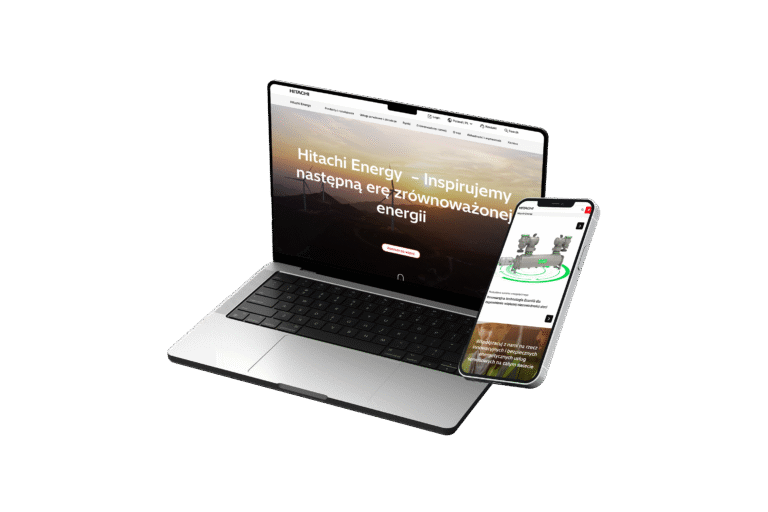
Hitachy Energy Laptop Mockup Case study illustration

Project at a glance

Client: Hitachi EnergyIndustry: Energy / UtilitiesService:Dedicated TeamTechnologies: .NET / C# / Azure / Python / Kubernetes

Edge One Solutions supported Hitachi Energy by providing IT specialists responsible for the development of Nostradamus AI — an advanced solution combining data science, machine learning, and artificial intelligence to deliver accurate forecasts for the energy sector.

The solution enables forecasting of power system load, wholesale energy prices, solar PV generation, and wind generation. By using reusable code blocks, APIs, consistent data formatting, accelerated processing, and data cleansing mechanisms, Nostradamus AI supports the creation of comprehensive machine learning pipelines for utilities, energy traders, and power operators.

Tools and technologies used


  • Challenge

    The energy sector faces price volatility, growing demand dynamics, and significant changes in energy supply and production.
    For energy companies, this creates a need for more precise forecasting that helps increase revenue, reduce costs, plan demand more effectively, and improve service reliability.
    The key challenge was to use advanced data science and machine learning techniques in a way that accelerates access to valuable insights and supports data-driven decisions.

    Hitachi Energy

  • Scope of work by Edge One Solutions

    Edge One Solutions supported Hitachi Energy by providing IT specialists responsible for the development of an AI solution for the energy sector.
    The scope of support included the development of components related to data analytics, machine learning, data processing, data cleaning, and the preparation of elements supporting machine learning pipelines.
    The team worked on a solution supporting the forecasting of system loads, wholesale prices, and the amount of energy generated from photovoltaic and wind sources.

    Scrum and iterative software delivery process illustrated on a laptop.

  • Solution

    The project involved the development of Nostradamus AI, a solution combining data analytics, machine learning, artificial intelligence, and Hitachi Energy’s domain expertise.
    The product supports the forecasting of system loads, wholesale prices, and the amount of energy generated by photovoltaic and wind installations.
    The solution uses reusable code blocks, APIs, consistent formatting, and accelerated data processing and cleaning, supporting the development of comprehensive machine learning pipelines.

    Hitachi Energy

  • Project significance for energy and AI

    In the energy sector, forecast accuracy has a direct impact on operational planning, costs, service reliability, and commercial decisions.
    The Hitachi Energy project shows how AI and machine learning solutions can support energy companies in analyzing variable data, predicting demand, and estimating future energy production from renewable sources.
    For energy companies, similar solutions can help accelerate decision-making, make better use of data, and increase control over processes dependent on forecasting.

    Ilustracja_branża_Energy&Utilities

Entrust your project to our experts!

Fill out the form
AI System Testing: How to Test LLMs, RAG and AI Agents Before Production

How do you test AI systems before production? Explore QA for LLMs, RAG and AI agents: retrieval, output quality, security, regression and monitoring....  read more

Data Readiness for AI: 12 Questions to Ask Before Choosing a Model

Is your data ready for AI? Explore 12 questions on quality, ownership, lineage, integrations, freshness, pipelines, access control and maintenance costs....  read more

EU AI Act from 2 August 2026: What Changes for Businesses and How to Prepare AI Systems?

What does the EU AI Act change in practice for businesses using AI? We look at how the new requirements may affect applications, architecture, data, UX, QA and monitoring, and where to start a technical review of your AI system....  read more