Asset Management Platform for Hitachi Energy | Case Study E1S

Development of the Lumada APM Solution for Hitachi Energy
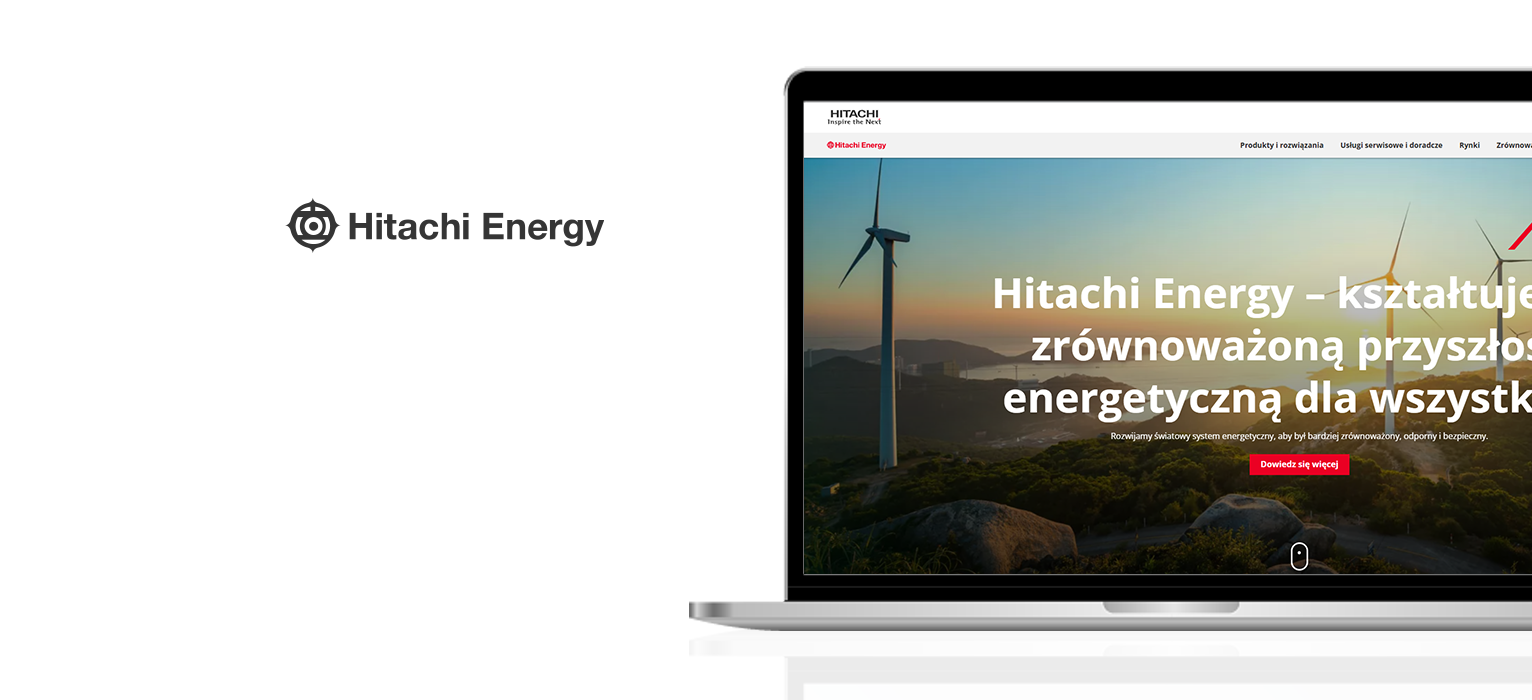
Makieta serwisu Hitachi Energy na laptopie, prezentująca rozwiązanie cyfrowe wdrożone dla firmy z sektora energetycznego.

Project overview

Client: Hitachi EnergySector: energy / utilities / enterpriseModel:IT outsourcingArea: APM / reliability / optimization

Edge One Solutions supported Hitachi Energy by providing IT specialists responsible for developing the Lumada APM solution for asset performance management.

The project included the development of reliability and optimization modules supporting failure prediction, downtime reduction, maintenance prioritization, and data-driven decision-making.

Tools and technologies used

  • Challenge

    Hitachi Energy aimed to develop a new generation asset performance management solution that would provide a comprehensive view of infrastructure and support reliability improvement.

    The key challenge was to integrate two Lumada APM modules: reliability and optimization, while maintaining clarity and ease of use for users managing complex asset environments.

    The solution had to support failure prediction, downtime reduction, maintenance planning, and goals related to operational efficiency and sustainability.

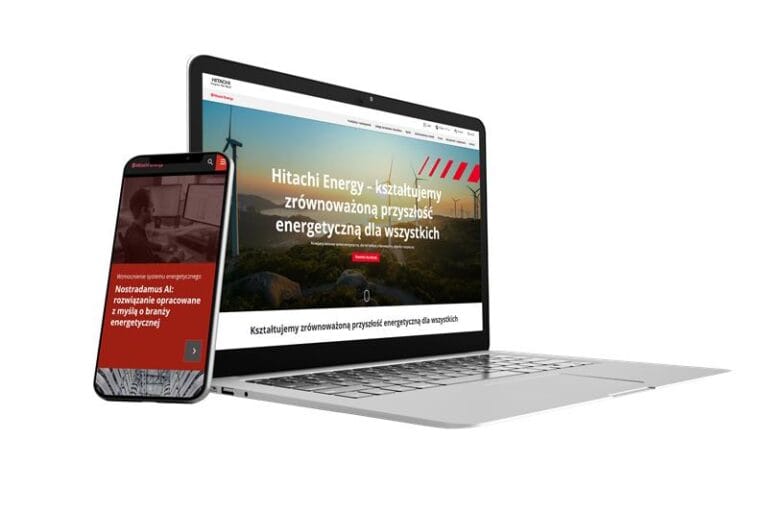
    Widok serwisu Hitachi Energy na laptopie i smartfonie, prezentujący responsywną platformę internetową dla branży energetycznej.
  • Scope of work by Edge One Solutions

    Edge One Solutions supported Hitachi Energy by providing IT specialists responsible for developing the Lumada APM platform.

    The scope of support included work on modules supporting reliability management, failure prediction, and maintenance activity optimization.

    The team also supported the development of features enabling a comprehensive view of assets, maintenance prioritization, cost reduction, and data-driven decision-making.

    Scrum and iterative software delivery process illustrated on a laptop.
  • Solution

    As part of the project, Lumada APM was developed as a platform supporting asset performance and reliability management.

    The solution was expanded with reliability management and optimization modules supporting failure prediction, downtime reduction, and maintenance prioritization.

    The platform enables organizations to gain better insight into asset condition, analyze operational data, and make decisions that increase infrastructure availability and operational efficiency.

    Hitachi Energy, branża energetyczna, platforma internetowa, digitalizacja energetyki, EnergyTech, aplikacja webowa, responsive web design, rozwiązania IT dla energetyki, rozwój oprogramowania, transformacja cyfrowa, case study Hitachi Energy.
  • Project significance for energy and asset management

    Organizations managing energy infrastructure need tools that combine asset monitoring, data analysis, risk prediction, and maintenance planning.

    The Hitachi Energy project shows how APM-class solutions can support infrastructure reliability, downtime reduction, and data-driven decision-making.

    For energy and utilities companies, similar systems can support maintenance cost optimization, increased availability of critical assets, and more informed long-term infrastructure management.

    Illustration of energy and utilities and manufacturing technology

Entrust your project to our experts!

Fill out the form
AI System Testing: How to Test LLMs, RAG and AI Agents Before Production

How do you test AI systems before production? Explore QA for LLMs, RAG and AI agents: retrieval, output quality, security, regression and monitoring....  read more

Data Readiness for AI: 12 Questions to Ask Before Choosing a Model

Is your data ready for AI? Explore 12 questions on quality, ownership, lineage, integrations, freshness, pipelines, access control and maintenance costs....  read more

EU AI Act from 2 August 2026: What Changes for Businesses and How to Prepare AI Systems?

What does the EU AI Act change in practice for businesses using AI? We look at how the new requirements may affect applications, architecture, data, UX, QA and monitoring, and where to start a technical review of your AI system....  read more