GIS Automation for Frontex | Edge One Solutions Case Study

Automation of GIS and Cartographic Production Processes for Frontex
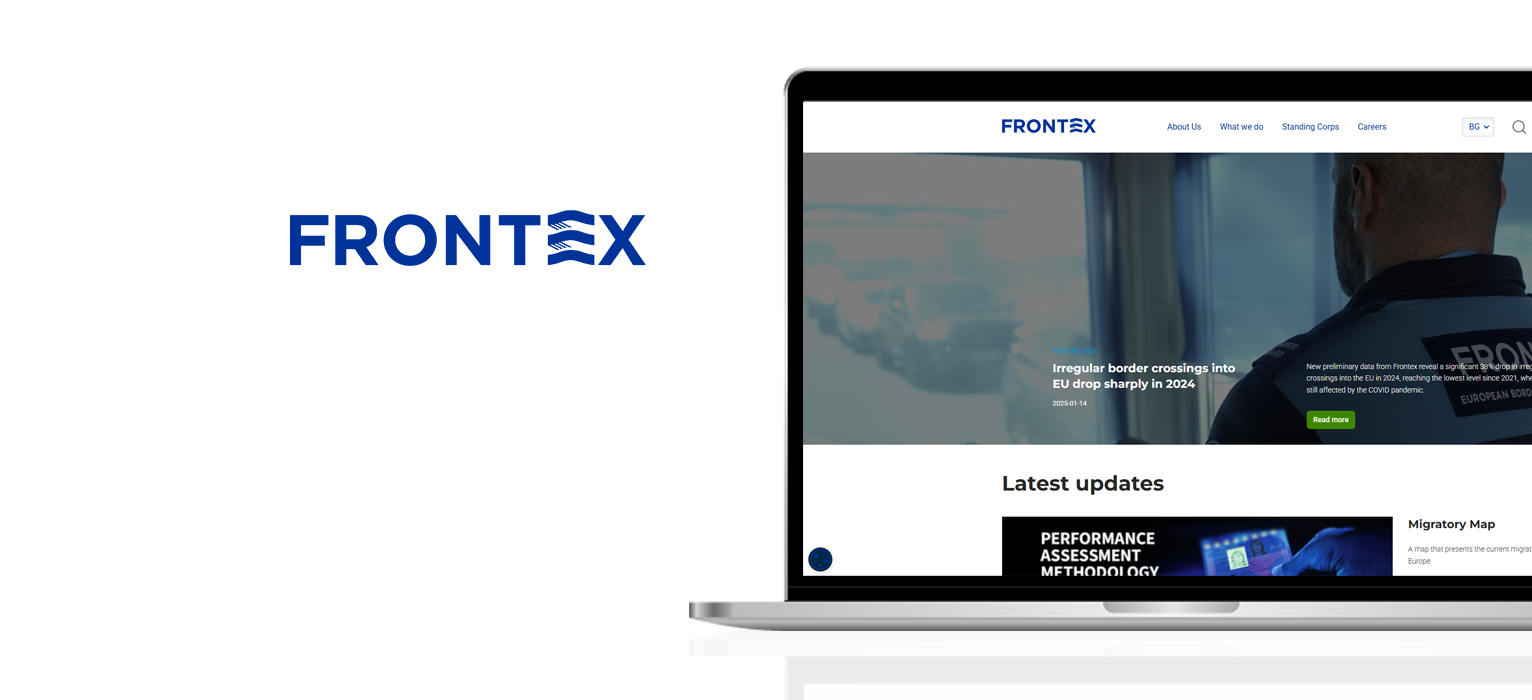
Serwis Frontex prezentowany na ekranie laptopa, ilustrujący projekt IT realizowany przy wsparciu Edge One Solutions.

Project overview

Client: FrontexSector: public / GIS / securityModel:Dedicated TeamArea: GIS / ArcGIS / ETL automation

Edge One Solutions supported Frontex by providing IT specialists responsible for automating GIS and cartographic production processes.

The project included preparing map templates, scripts automating work in ArcGIS, and ETL processes supporting the acquisition and integration of spatial data from external systems.


Tools and technologies used

  • Challenge

    Frontex’s geospatial analysis team processed and analyzed geographic data using ESRI ArcGIS software.

    The team’s responsibilities included preparing cartographic products for regular reports and acquiring and integrating data from external systems into the GIS environment.

    Performing these activities manually was time-consuming and resource-intensive, which created a need to improve and automate repetitive processes.

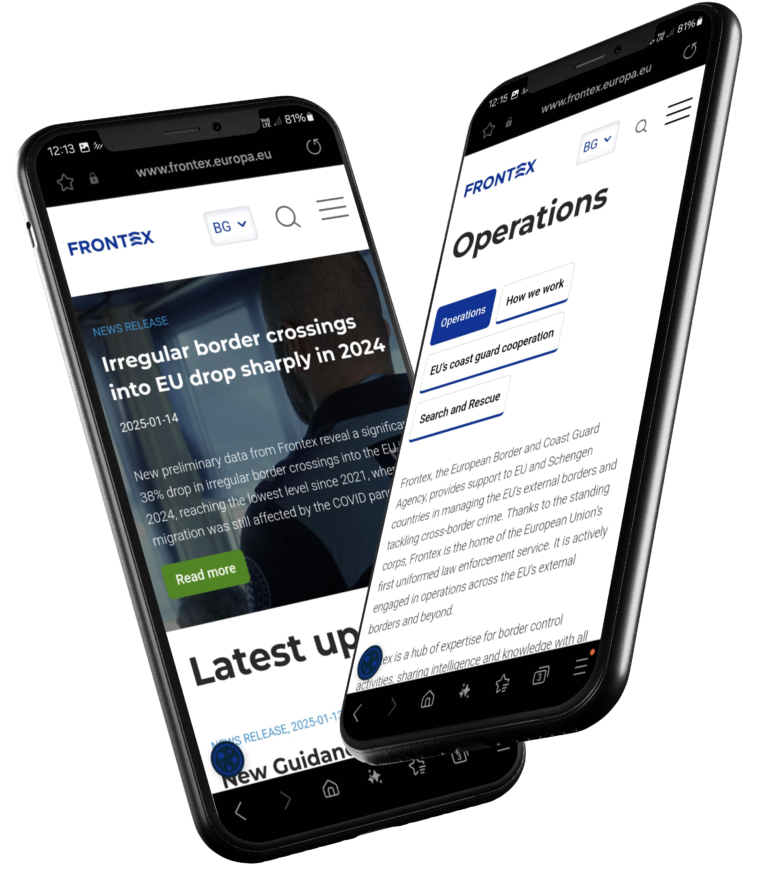
    Serwis Frontex prezentowany na laptopie i smartfonie, ilustrujący responsywne rozwiązanie webowe rozwijane przy wsparciu Edge One Solutions.
  • Scope of work by Edge One Solutions

    Edge One Solutions supported Frontex by providing IT specialists responsible for automating selected GIS processes.

    The scope of support included developing dedicated map project templates and scripts automating the cartographic production process in the ArcGIS environment.

    The team also supported the preparation of ETL scripts enabling efficient extraction, transformation, and loading of data from external systems into the GIS environment.

    Frontex website displayed on mobile devices, presenting news and information about border management operations.
  • Solution

    In response to the GIS team’s needs, a set of dedicated map project templates and scripts automating cartographic production was developed.

    The automation was based on the Python API for ArcGIS, which helped reduce manual execution of repetitive tasks and relieve the geospatial analysis team.

    In addition, ETL scripts were prepared to support extracting, transforming, and loading data from external systems into the GIS environment, making the data integration process more structured and efficient.

    Scrum and iterative software delivery process illustrated on a laptop.
  • Project significance for GIS and spatial data automation

    In organizations using spatial data, a large part of analytical work is based on repetitive activities related to map preparation, reporting, and data integration from multiple sources.

    The Frontex project shows how GIS process automation can relieve the analytical team, increase workflow repeatability, and improve cartographic production.

    For public institutions and organizations using GIS, similar solutions can support faster preparation of analytical materials, better data integration, and more effective use of team resources.

    Rozwiązania IT dla sektora publicznego

Entrust your project to our experts!

Fill out the form
How Much Does a Legacy System Really Cost? 7 Hidden Costs That Don’t Show Up in the IT Budget

A legacy system can run reliably and still become increasingly expensive. Explore 7 hidden costs to consider before deciding whether to maintain, modernize, or replace it....  read more

How much does a programmer earn? Programmer salaries in 2026

Find out how much a programmer earns in various positions and countries. An overview of programmer salaries in Poland, Germany, the USA, and other regions for 2023....  read more

AgentOps in the Enterprise: How to Manage AI Agent Permissions, Memory and Actions

How do you control AI agents in production? Explore AgentOps: identity, permissions, memory, human approval, audit and mechanisms for limiting agent actions....  read more