Case study > Public > GO System Modernization for Parking Infrastructure Management for Flowbird
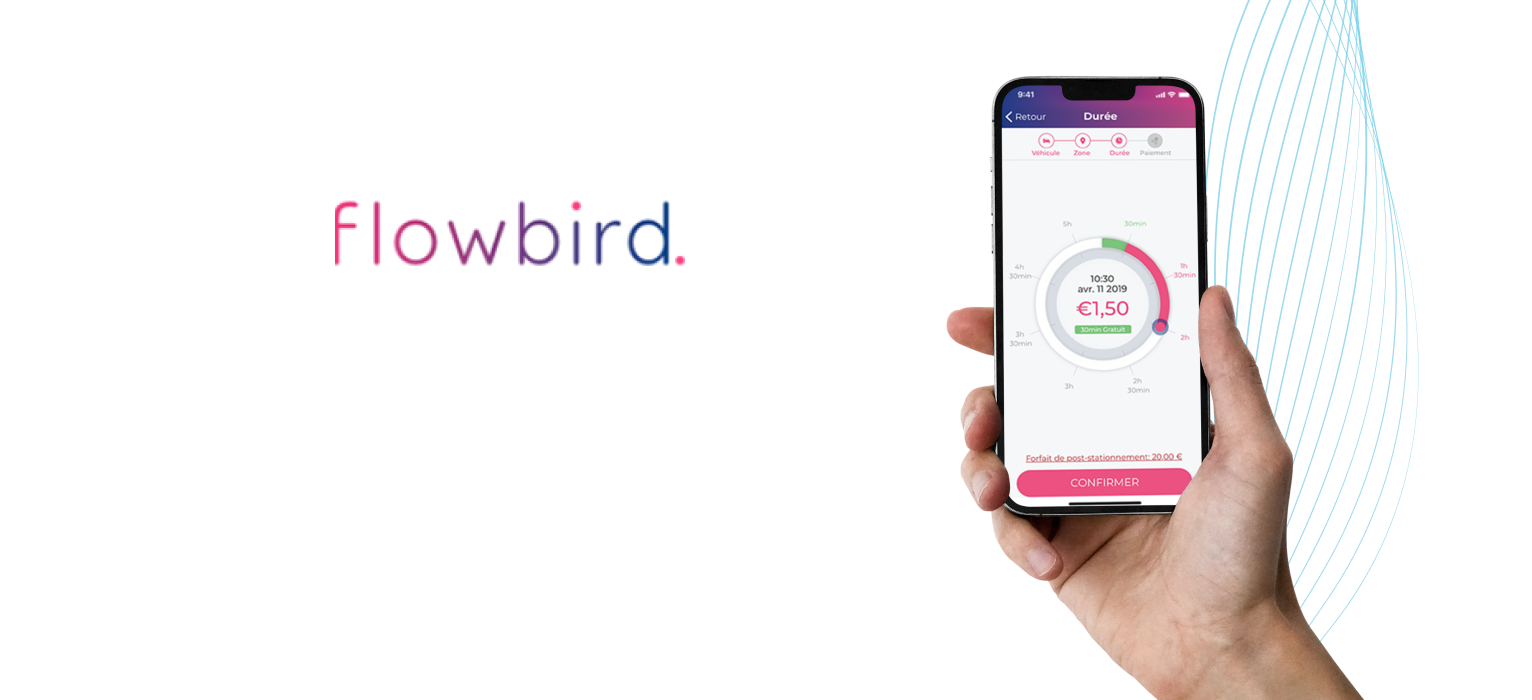
Edge One Solutions supported Flowbird in the development and modernization of the GO system — a solution supporting parking infrastructure management and digital urban mobility services. The project included new feature development, analysis and refactoring of legacy code, code quality and performance improvements, enhanced monitoring, React integration, and the beginning of a cloud environment migration from Azure to AWS.
Flowbird was developing the GO system, which supports parking services and urban mobility management. The system operates in an environment where stability, performance, reliable data exchange, and the ability to further develop the product are essential.
One of the main challenges was modernizing the existing solution without losing its current functionality. The team had to develop new features while also analyzing legacy code, including parts of the system that did not have full documentation. In such projects, maintaining system continuity and reducing regression risk are particularly important.
The project also required replacing outdated components, updating technologies, and improving code quality. As the product evolved, there was a growing need for greater predictability, better diagnostics, and easier system maintenance.
Another important area was the implementation of improved monitoring and diagnostic tools, as well as the start of a cloud environment migration from Azure to AWS. These activities were intended to support further scalability and system stability.

Edge One Solutions supported Flowbird in developing, modernizing, and organizing key elements of the GO system. The work included both business requirements analysis and technical activities related to code, integrations, frontend, monitoring, and infrastructure.
The scope of work included:
• business requirements analysis and modeling,
• development of new features in the existing system,
• reverse engineering of undocumented code fragments,
• modernization of outdated components,
• updating libraries and frameworks,
• code quality improvement and standardization,
• implementation of software development best practices,
• system performance improvements,
• integration of React in place of the legacy frontend engine,
• integrations with internal and external systems,
• implementation of improved monitoring and diagnostic tools,
• beginning the migration of cloud infrastructure from Azure to AWS,
• development of automated, unit, and integration tests.
The Edge One Solutions team started with business and technical requirements analysis to better understand dependencies within the existing GO system. In modernization projects of this type, the challenge is not only to add new features, but also to understand the logic of legacy components, their limitations, and the impact of changes on the entire system.
One important part of the work was frontend modernization. Integrating React in place of the legacy engine helped prepare the system for further user interface development and increased the flexibility of the application layer. The use of TypeScript supported greater code consistency and predictability.
On the backend and architecture side, the team worked on replacing outdated components, updating libraries and frameworks, and improving code quality. These activities helped reduce technical debt and make the system easier to maintain.
The project also included integrations with internal and external systems for data exchange. In parking and smart city solutions, integrations are particularly important because the system must work with multiple information sources, operational tools, and user service channels.
At the same time, improved monitoring and diagnostic tools were implemented. This allowed the product team to analyze system behavior more effectively, identify issues faster, and make better decisions about further development.

Systems supporting parking and urban mobility must operate reliably in an environment that connects end users, parking operators, urban infrastructure, transaction data, and management systems. Every change in such a system should consider both user convenience and the reliability of operational processes.
Modernizing existing solutions is especially important for organizations that have been developing a product for many years. Legacy components, missing documentation, a growing number of integrations, and changing business requirements can make further system development more difficult. That is why work on code quality, monitoring, automated tests, and infrastructure migration directly affects the ability to scale the product.
For companies in smart city, parking technology, and urban mobility, developing such systems means not only delivering applications for users, but also building a stable technology layer supporting everyday urban services.