Case study > Healthcare, Life Science > Development of a Mobile App for Remote Hearing Aid Control for Demant
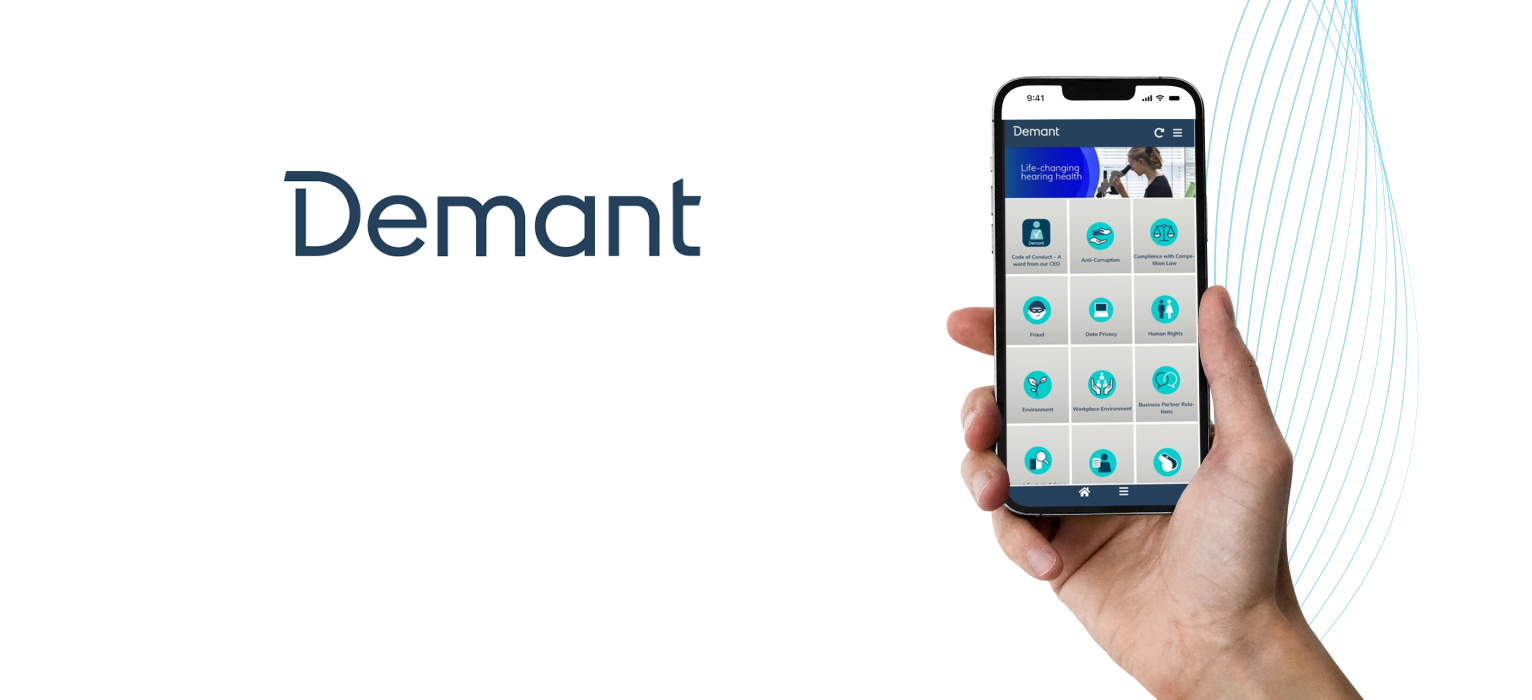
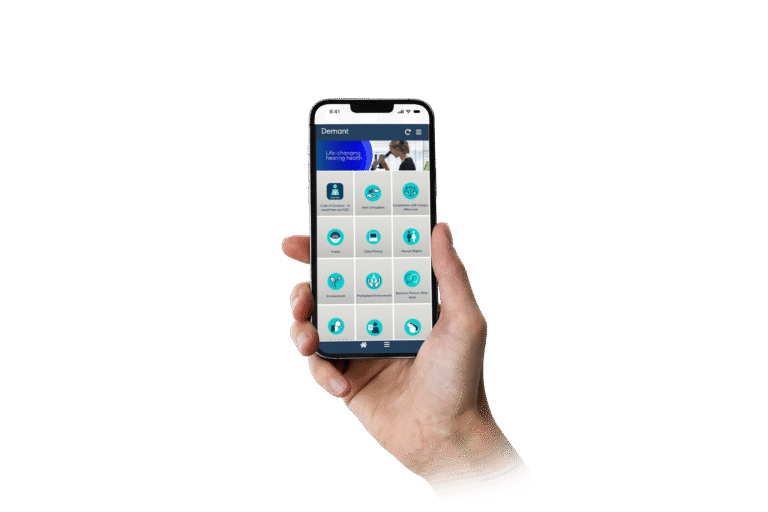
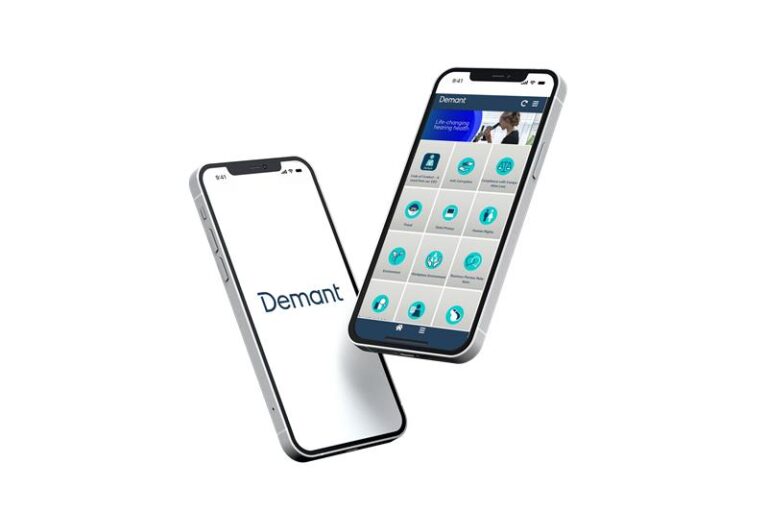
Edge One Solutions supported Demant in the development of a mobile application that enables users to remotely control their hearing aids via Bluetooth. The solution allows users to adjust hearing settings to their surroundings, use predefined acoustic modes, locate their hearing aid, and take part in remote consultations with a hearing care professional without visiting a clinic.
Demant, a leading manufacturer of hearing aids, entrusted Edge1S with the development of a mobile app enabling remote control of hearing aids via Bluetooth. In response to the growing importance of telemedicine, we created a solution that allows users to fully control the device without the need for a visit to a doctor's office. The app offers features such as an equalizer, preset acoustic modes adapted to various environments, a device location function, and remote consultations with a hearing care professional. We ensured safety, intuitiveness, and ease of use, enabling automated notifications through IoT integration. The project significantly improved the quality of life for hearing aid users.

With the growing importance of telemedicine, it was crucial to provide users with:
- full control over the device without a visit to the office,
- convenient adjustment of hearing parameters to the surroundings,
- a safe and intuitive way to communicate with a hearing care professional.

Edge1S joined the Demant R&D team, developing an app written in Xamarin Native, available for both Android and iOS.
App features:
- Real-time hearing aid control via Bluetooth.
- Remote consultations with a hearing care professional, allowing users to perform tests and change settings without leaving home.
- Equalizer – allowing users to customize the sound to their preferences.
- Acoustic modes – pre-defined profiles that adapt the hearing aid to, for example, lecture hall noise.
- Hearing aid location – the ability to locate a lost device.
- Hearing aid usage history, similar to the functionality of fitness trackers.
- IoT integration – event automation, such as low-battery notifications.

Mobile applications in healthcare increasingly support not only access to information, but also real device operation, remote care, and personalized user experience. In the case of hearing aids, a mobile app can become an everyday tool that improves quality of life by helping users respond faster to changing surroundings and reducing the need for in-person clinic visits.
Projects of this type require a combination of mobile development, device integration, UX, security, API communication, and IoT expertise. Stability is especially important because the application directly affects how users interact with a device that supports their daily functioning.