AWS and Kubernetes Cost Optimization for IDEMIA - Edge1S

AWS and Kubernetes Cost Optimization for IDEMIA with IT Specialist Support

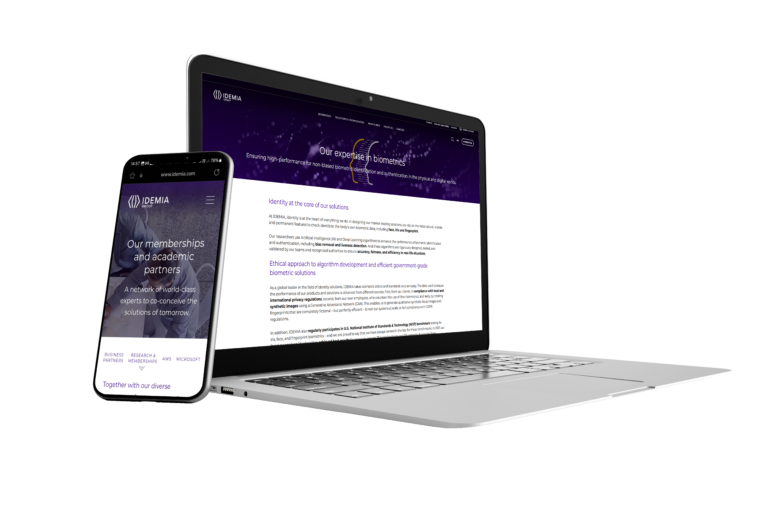
Case study IDEMIA – responsywny serwis internetowy prezentowany na ekranie laptopa.

Project overview

Client: IDEMIA Sector: digital identity / security Cooperation model: Dedicated Team Area: AWS / Kubernetes / FinOps

Edge One Solutions supported IDEMIA by providing IT specialists in the Dedicated Team model responsible for analyzing and optimizing the cost of cloud environments.

The project included analyzing AWS and Kubernetes resource usage, identifying unnecessary costs, improving application configuration, and implementing a mechanism to reduce the cost of test environments.
Tools and technologies used

  • AWS Cost Explorer
  • AWS EC2
  • Kubernetes
  • Prometheus
  • Challenge

    IDEMIA needed a detailed analysis of cloud resource usage and identification of areas where the infrastructure was generating unnecessary costs.

    The key challenge was to detect underused EC2 resources and incorrectly defined requirements for selected applications running in Kubernetes clusters.

    The project required combining cost, infrastructure, and operational perspectives in order to reduce expenses without negatively affecting environment stability or application performance.

    Responsywny serwis IDEMIA prezentowany na laptopie i smartfonie.
  • Scope of work by Edge One Solutions

    Edge One Solutions supported IDEMIA by providing IT specialists responsible for analyzing costs and resource usage in cloud environments.

    The scope of support included analyzing data from AWS Cost Explorer, Metrics Server, and Prometheus, identifying underused resources on EC2 instances, and assessing the configuration of applications deployed in Kubernetes clusters.

    The team also worked on selecting appropriate EC2 instance types, improving application resource requirement definitions, and preparing a mechanism that allowed selected environments to be temporarily paused when they were not required.

    Scrum and iterative software delivery process illustrated on a laptop.
  • Solution

    The team analyzed resource usage across the systems using data from AWS Cost Explorer, Metrics Server, and Prometheus.

    Based on this analysis, underused EC2 resources and incorrectly defined resource requirements for some applications running in Kubernetes were identified. This made it possible to select more appropriate instance types and adjust application configuration to actual demand.

    An internal solution was also implemented to temporarily pause environments that did not need to run continuously. As a result, the cost of test accounts was reduced more than threefold.

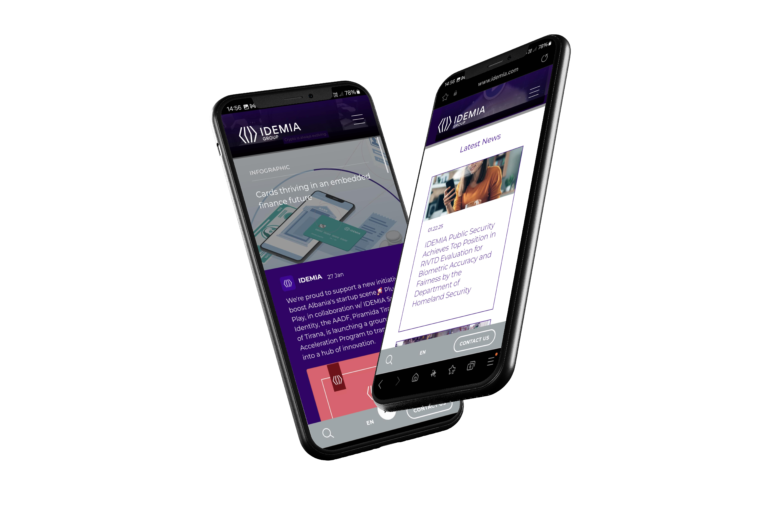
    Mobilna wersja serwisu IDEMIA prezentowana na dwóch smartfonach.
  • Project significance for cloud cost optimization

    In cloud environments, infrastructure costs can grow quickly when resources are not regularly analyzed and aligned with the actual workload of applications.

    The IDEMIA project shows that effective cost optimization requires combining financial data, technical metrics, and knowledge of how applications use resources in Kubernetes clusters.

    For organizations using AWS and Kubernetes, a similar approach can help reduce unnecessary spending, improve autoscaling efficiency, and increase control over the costs of test and production environments.

    Aplikacja Idemia prezentowana na smartfonach, ilustrująca rozwiązanie mobilne rozwijane przy wsparciu Edge One Solutions.

Entrust your project to our experts!

Fill out the form
AI System Testing: How to Test LLMs, RAG and AI Agents Before Production

How do you test AI systems before production? Explore QA for LLMs, RAG and AI agents: retrieval, output quality, security, regression and monitoring....  read more

Data Readiness for AI: 12 Questions to Ask Before Choosing a Model

Is your data ready for AI? Explore 12 questions on quality, ownership, lineage, integrations, freshness, pipelines, access control and maintenance costs....  read more

EU AI Act from 2 August 2026: What Changes for Businesses and How to Prepare AI Systems?

What does the EU AI Act change in practice for businesses using AI? We look at how the new requirements may affect applications, architecture, data, UX, QA and monitoring, and where to start a technical review of your AI system....  read more